Practice for the ABR’s new DR Oral Exam
Rehearse the
oral boards out loud
An AI examiner shows you the case, listens to your answer, and follows up where you’re thin. Every case is scored on the ABR’s rubric: Observation, Synthesis, Management.
Listening. A four-second pause sends your answer.
Click here to see what to say for a perfect answer
Ready
Scored the way the ABR scores its new oral exam
In the ABR’s DR Oral Exam, examiners score each case from 68 to 72 against a rubric in three parts. VerbalWars scores every case the same way, against an answer key written before the case opens.
The three parts
- ObservationWhat do you see?The abnormality, and the pertinent negatives.
- SynthesisWhat is it?The most likely diagnosis, and the differential.
- ManagementWhat happens next?The next step, such as more imaging or an urgent call.
What the numbers mean
- 68UnsatisfactoryPoor, potentially unsafe. Rare.
- 69MarginalWeak. Just below the line.
- 70SatisfactoryThe passing standard.
- 71GoodA strong performance.
- 72OutstandingExceptionally strong.
VerbalWars also scores each part on its own. The case’s overall score is a judgment, not an average of the three.
The case above, scored
Select a domain to read its checklist.Why 71
- Said every essential, and nothing unsafe.What it did to the score: At least 70, a pass.
- Gave the mimics and the perfusion mismatch only after the examiner’s follow-up.What it did to the score: 71, not 72. Needing a follow-up lowers the score but keeps it a pass.
- Called the stroke team and gave the treatment plan without a follow-up.What it did to the score: Management 72, Outstanding.
- Missed the collateral flow, a bonus point.What it did to the score: No penalty.
What the examiner was listening for · Observation
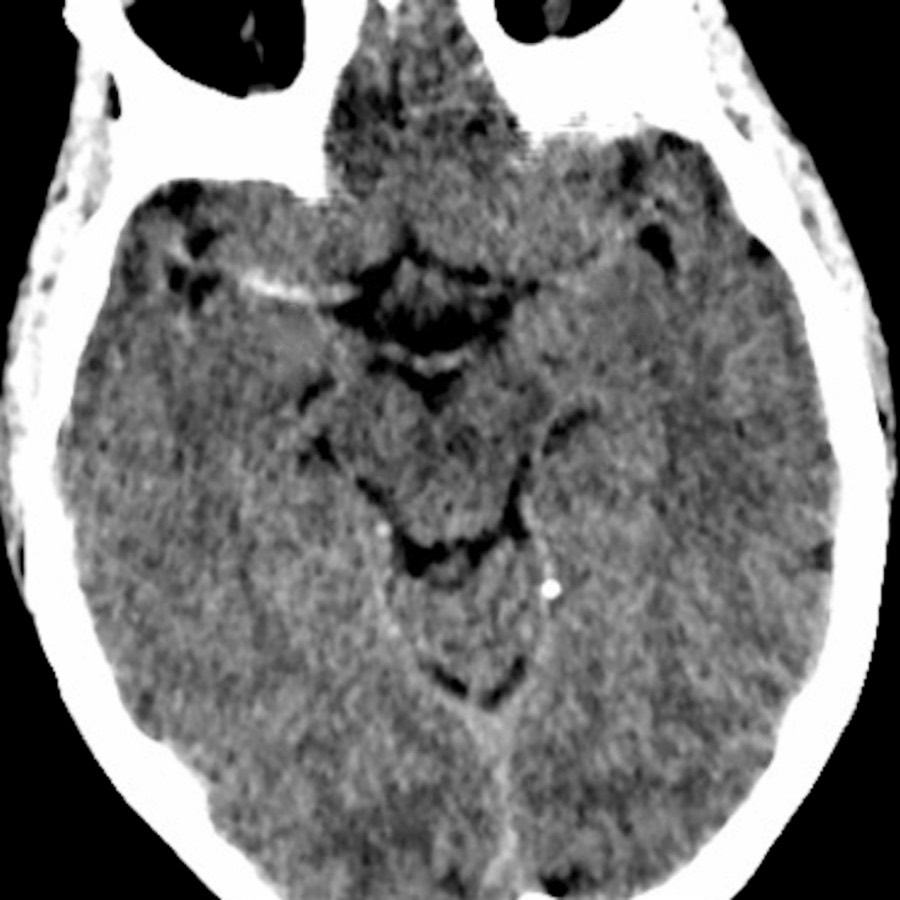
A real case from the bank with its real images, answered by a good candidate. It plays on its own and starts again when it ends. The score is for this case; press What to say to read, under each answer, what an outstanding candidate would have said.